
 How to resolve AdBlock issue?


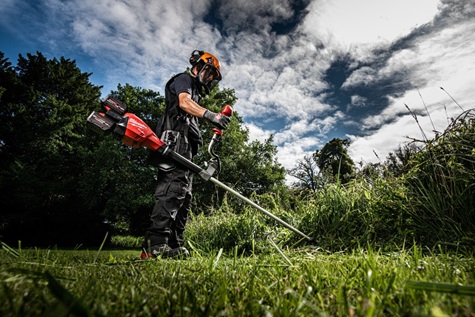
Petrol-powered outdoor power equipment (OPE) is a significant and largely unaddressed source of air pollution, noise and worker harm across Europe, according to new research published by Milwaukee.
The manufacturer of cordless machinery has published the 'Room to Breathe' whitepaper, developed through a survey of more than 2,000 professional users across EMEA, which they say "presents a compelling case for the industry to move decisively towards battery-powered alternatives."
The findings reveal that while adoption of cordless technology is growing, the pace of transition remains slow. Just 13% of professionals currently operate a fully cordless fleet, despite 93% already using battery-powered tools in some capacity. The manufacturer is calling on professionals, businesses and policymakers to accelerate this shift now.
In the whitepaper, Milwaukee argues that the environmental and health impacts of petrol-powered outdoor power equipment extend beyond carbon emissions. It cites research suggesting that two-stroke engines produce significantly higher levels of hydrocarbons, carbon monoxide and fine particulate matter than modern road vehicles, while also highlighting concerns over prolonged operator exposure to emissions and noise.
The report also makes the case that battery-powered alternatives can reduce operating costs over time, with lower running and maintenance expenses offsetting the higher initial purchase price. Based on research commissioned by Milwaukee, it says three-quarters of professional users rate their experience with cordless equipment as good or excellent, while 72% would like to move away from petrol-powered tools altogether.
The company acknowledges that purchase cost, runtime and performance remain the biggest barriers to wider battery adoption. It argues, however, that continuing advances in battery technology are narrowing the gap, particularly for professional users, and suggests that businesses which begin transitioning ahead of any future emissions regulations could be better placed as legislation evolves.
You can download the full whitepaper here.
Editorial Address:
LandPower Publications LLP, Howbery Park, Benson Lane, Wallingford, Oxfordshire, OX10 8BA
Telephone:
+44(0)1491 837 117
Service Dealer is the UK’s leading news and information resource for Garden, Turfcare, Farm, ATV, Plant Hire & Construction and Outdoor Power Equipment